This assignment was for a Media Writing for Audiences course in the Journalism School. I used a culmination of skills learned in this course for the final project. It covers many different types of writing for audiences, including news writing, script writing, and a visual element to convey important information.
Juggling Work and Studies: Economic Stress Faced by Students
Many students at the University of Kansas are struggling to balance the demands of work and study, leading to increasing economic stress. With the cost of tuition, textbooks, and living expenses, many students are forced to take on part-time or full-time jobs to make ends meet. However, the pressures of work can make it difficult to keep up with coursework, leading to a vicious cycle of academic and financial stress.
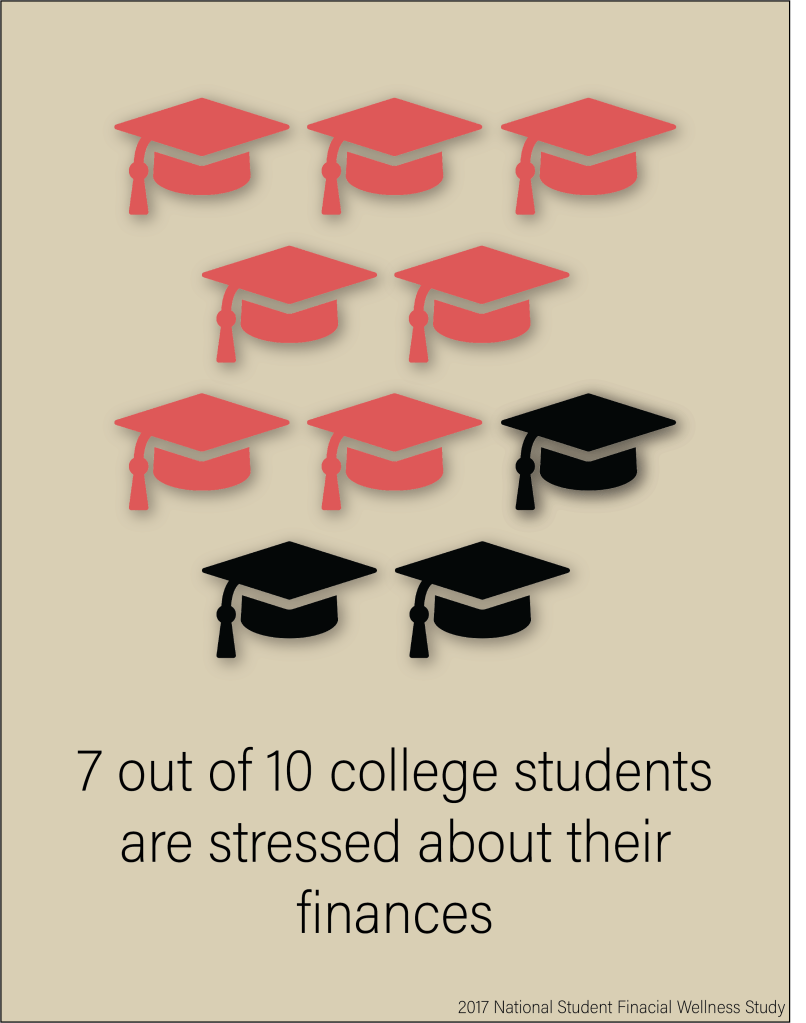
A recent survey conducted by the National Student Financial Wellness Study found that 60% of college students worry about their finances on a daily basis, and 75% of students work while enrolled in college. This constant pressure to earn enough money to pay for tuition, textbooks, and living expenses while maintaining a good GPA takes a significant toll on students’ mental and emotional well-being.
One student who is all too familiar with this struggle is EJ Padgett, a sophomore at The University of Kansas. She works a part-time job at the front desk of Corbin Hall, while taking a full course load, and says he barely has time to sleep, let alone socialize or relax.
“I’m enrolled in 18 credit hours this semester, while also working eight to ten hours at my job,” Padgett said. “This doesn’t include the time I spend on homework. I feel I have little free time to sleep or socialize, all while stressing about rent, food and gas.”
Unfortunately, EJ’s story is not unique. Many college students are facing similar challenges, and the pandemic has only made things worse. With the economy in flux, finding and keeping a job has become even more difficult for students, and some have had to drop out of school altogether.
This issue often leads to ‘burnout.’ According to the Malvern Behavioral Health Center, college burnout is when “a student experiences chronic stress over an extended period of time. These students may develop burnout symptoms including fatigue, detachment, and an overall lack of interest in academics.”
Already, college can be stressful in many different ways. This feeling of burnout is also not a rare occurrence. According to an assessment in 2017 by the National College Health Association, 80% of college students reported feeling overwhelmed by school. 40% reported the feeling of burnout made it difficult to function.
Unfortunately, this is only related to school. Many students who have a job outside of school often experience a more severe feeling of burnout. In a study from 2022 by Frontiers of Psychology, researchers found a correlation between severe burnout, and working outside of school.
“Students who have a job are more exposed to the risk of burnout because they find themselves in the position of combining the requirements of the job with those of the academic environment, not being able to devote all their time and resources to a single goal, that of an employee or a student.”
Overall, the combination of these factors can create a challenging environment for college students, leading to increased economic stress and burnout. It is important for universities to prioritize student well-being and provide resources to support mental health and financial stability.
Thankfully, there are resources available for students who are struggling. Many colleges — including the University of Kansas — offer financial aid, scholarships, and counseling services to help students manage their finances and mental health. There are also online resources and apps that can help students budget, save money, and find part-time work.
Padgett said that she has built a support system to create healthy outlets for stress and to decrease the effects of burnout as much as possible.
“My friends and I have a system in place to help with something that we are all experiencing,” Padgett said. “It’s important to utilize the people and resources that are available to you.”
Padgett also added that her friends and herself work to build monthly budgets to relieve some stress. “Sometimes seeing what my financial situation will look like and how much I can spend helps to calm the stresses.
Video & Script
Many college students at the University of Kansas are struggling to balance work and study, leading to increased economic stress. A study by the National Student Financial Wellness Group found 60% of college students worry about their finances on a daily basis, and 75% work while enrolled in college. This constant pressure to earn enough money while maintaining good grades takes a toll on students’ mental and emotional well-being, leading to burnout. According to Malvern Behavioral Health Center, Burnout symptoms include fatigue, detachment, and an overall lack of interest in academics. The pandemic has made it even more difficult for students to find and keep jobs, causing some to drop out of school. EJ Padgett, a sophomore at KU said she feels she has little time for herself, even sleep. Saying, “I’m enrolled in 18 credit hours this semester, while also working eight to ten hours at my job. This doesn’t include the time I spend on homework. I feel I have little free time to sleep or socialize, all while stressing about rent, food and gas,” Padgett said.
Students are also encouraged to build a support system and utilize available resources to manage stress. Monthly budgeting can also help to relieve some financial stress.
 Ethan Enderle's Portfolio